Sushi Rolling Mat Substitute

Easy Ways To Roll Sushi Without A Mat 13 Steps With Pictures

How To Roll Sushi Without A Mat

Sushi Rolling Mat Silicone Makisu Baking Sheet Rawnori Com
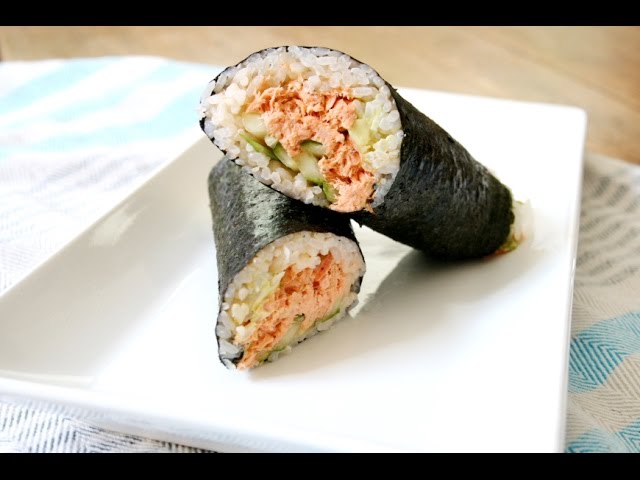
How To Roll Sushi Without A Mat Spicy Salmon Sushi Wraps Youtube

Sushi Rolls Without A Bamboo Mat Sushi Rolls Sushi Ipad Cooking
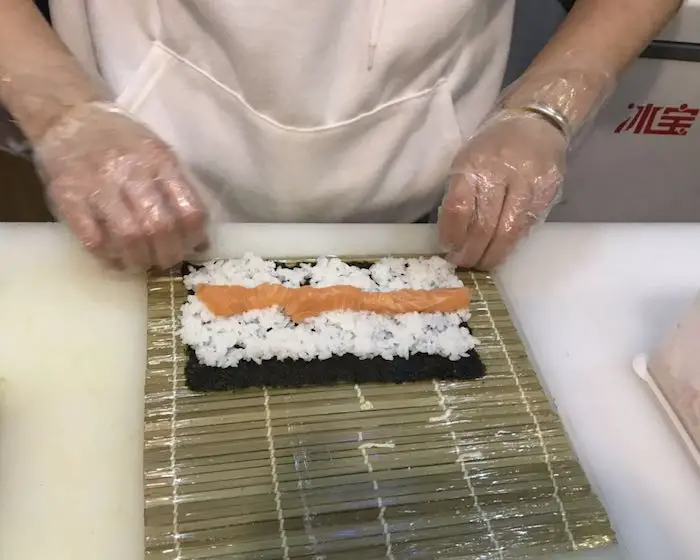
How To Clean A Bamboo Sushi Mat Easy Homemade Sushi
Sushi is a common dish in japan and in japanese restaurants around the world.
Sushi rolling mat substitute. One of my friends once rolled sushi for me in rice paper which was quite good. But then again i ve been making rolled sushi for many years. What is the best sushi rice substitute that you can use. Ordinary rice and glutinous rice.
Arrange the nori sheets on a baking sheet and warm in a 300 degree oven for 1 to 2 minutes or until pliable. There you have it. There are two famous types of japanese rice namely. While it may seem like a lot of effort rolling sushi is a snap if you have the right tools.
The best option is to find a rolling mat and keep working with it until it actually does work for you. Once the roll is started use the wooden mat to tightly wrap your sushi all the way. Before you get ready to roll work the mat a bit to loosen up the stiffness of the tape and to make sure that all skewers are securely in place. You re not limited to rolling sushi in seaweed either.
Japanese rice is a very special short grain almost transparent from japonica variety. I ve also seen sushi rolled in injera for a totally fusion type cuisine injera are pancake like things made of teff flour traditionally used in ethiopian cuisine. But it s thought that it may actually date back to the 2nd century bc where it originated from a chinese dish called narezushi. Make your own sushi.
The flexibility of the bamboo and silicone allows the layered ingredients to be rolled. It s believed to have then spread to japan in the 8th century. A common kitchen towel comes to the rescue in such an instance and can be used as a stand in for a traditional bamboo sushi rolling mat. Place the roll on your newly created sushi mat.
Cut your sushi by using a slightly wet serrated knife. Typically sushi is rolled using a bamboo or silicone mat. Lay a towel on a working surface and cover it with a sheet of plastic food wrap. Read along to find out.
Traditionally sushi is assembled by laying down a sheet of nori sushi s seaweed wrapper atop a bamboo mat known as a makisu which helps the chef roll compress and form the heaping of rice. Wrap your mat in plastic wrap before you roll your sushi as it helps keep things clean and the rice from sticking. Rolling sushi is an art form and without the proper tools it can be challenging to do. A good substitute would be a clean dry facecloth.
It may be hard to find in some areas and it may seem odd but the rolling mats really do work best. If you have something that. Ordinary rice is best for sushi and sake while glutinous rice is best for mochi.

How To Roll Sushi The Fountain Avenue Kitchen

Easily Roll Sushi Without A Bamboo Mat Using A Towel Youtube

How To Make Homemade Sushi Without A Bamboo Mat
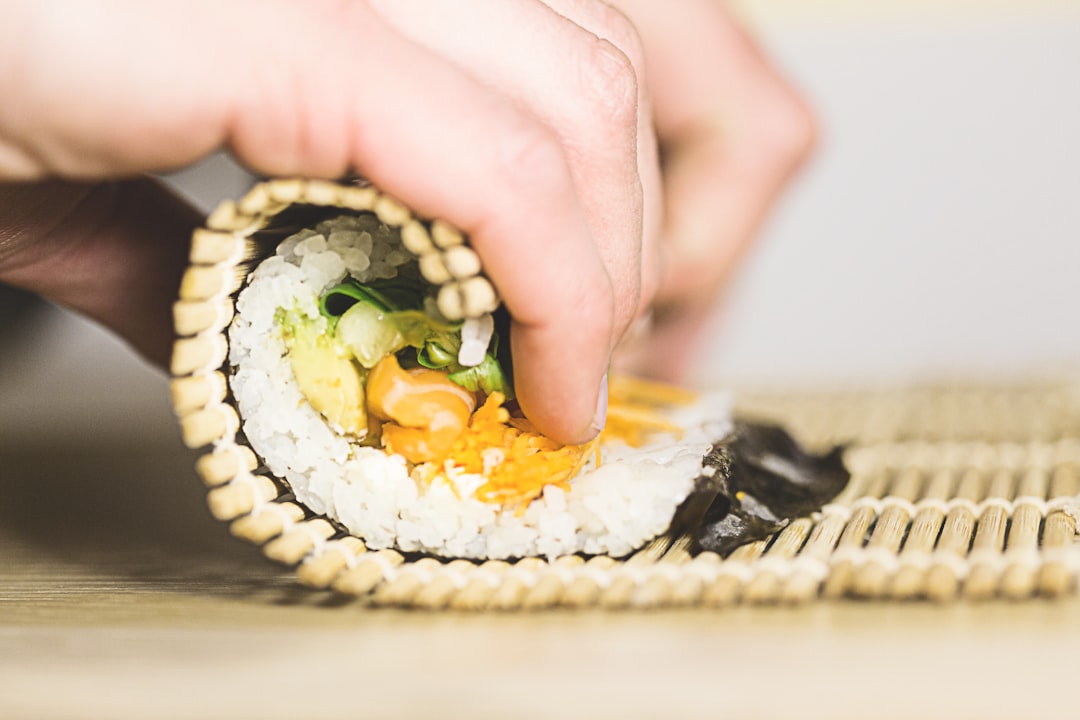
The Secret To Making Homemade Sushi Without A Bamboo Mat

Sushi Rolling Mat Bamboo Makisu Rawnori Com

Not Kyaraben But Kyarazushi How To Make A Decorative Sushi Sushi Roll Designed A Bear A Squirrel Or Totoro Cool Japan

Amazon Com The Diy Sushi Making Kit Includes All Special Ingredients Step By Step Instruction And Bamboo Rolling Mat Create Your Own Fresh Sushi Rolls Tasty And Delicious Homemade Sushi Japanese Delight
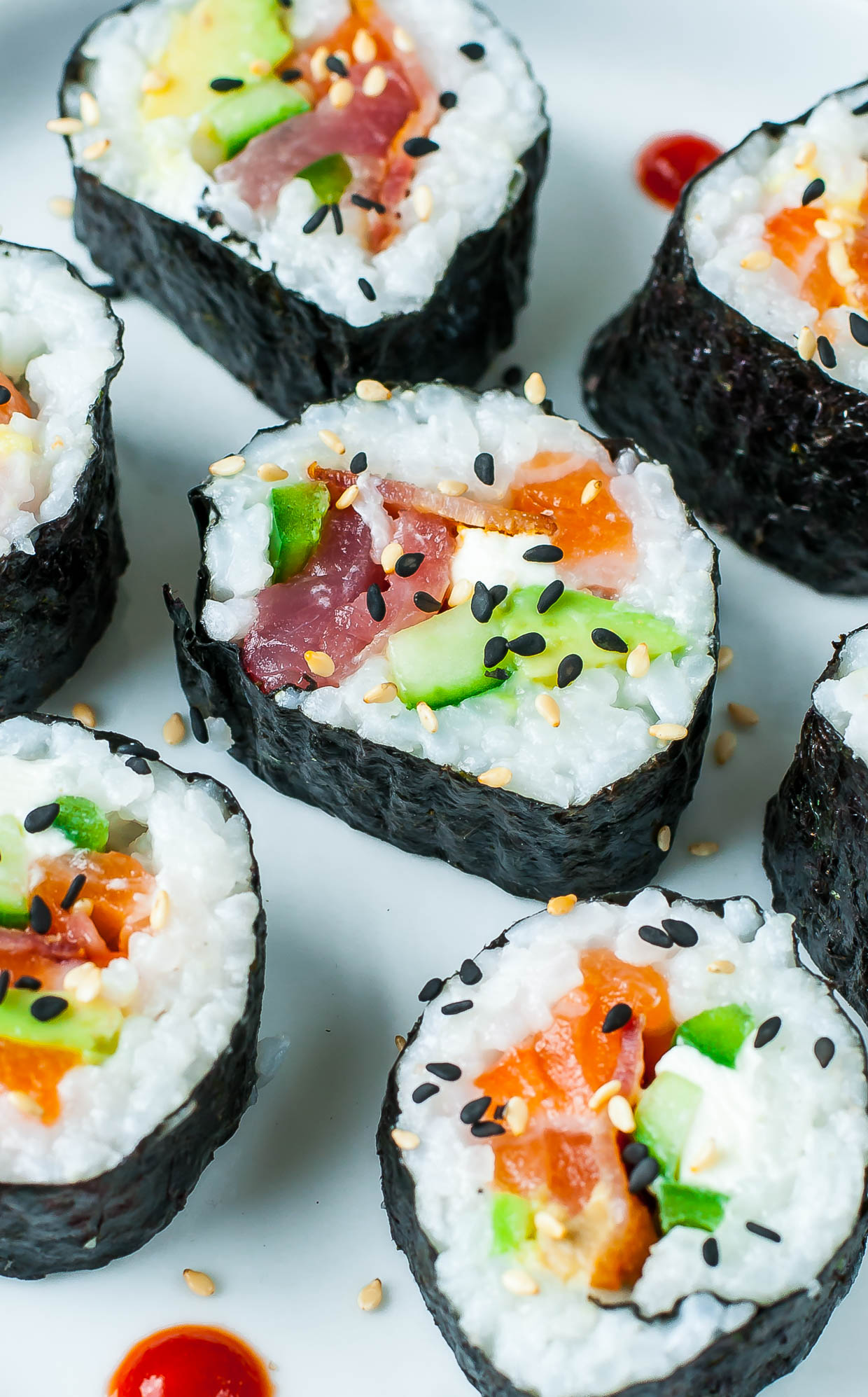
Homemade Sushi Tips Tricks And Toppings Peas And Crayons

18 Ways To Make Sushi Without A Mat Easy Homemade Sushi

Easy Philadelphia Roll Recipe Alyona S Cooking

Make Your Own Sushi No Mat Required Moresaltplease Youtube

Vegan California Rolls And Uramaki Sushi Technique For Beginners Mary S Test Kitchen

Sushi Rolling Mat Plastic Non Stick Makisu Rawnori Com
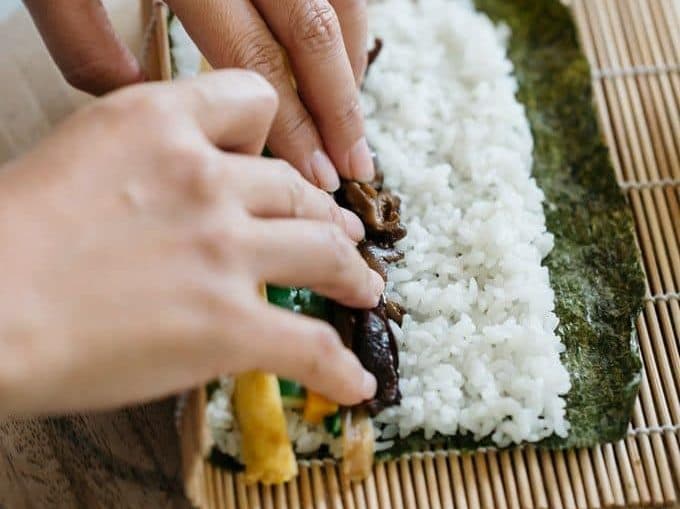
Sushi Rice How To Make It Perfectly Chopstick Chronicles

Pin On A Bunch Of Yummy Recipes

Kimbap Korean Seaweed Rice Rolls Recipe In 2020 Gimbap Rice Rolls Serious Eats
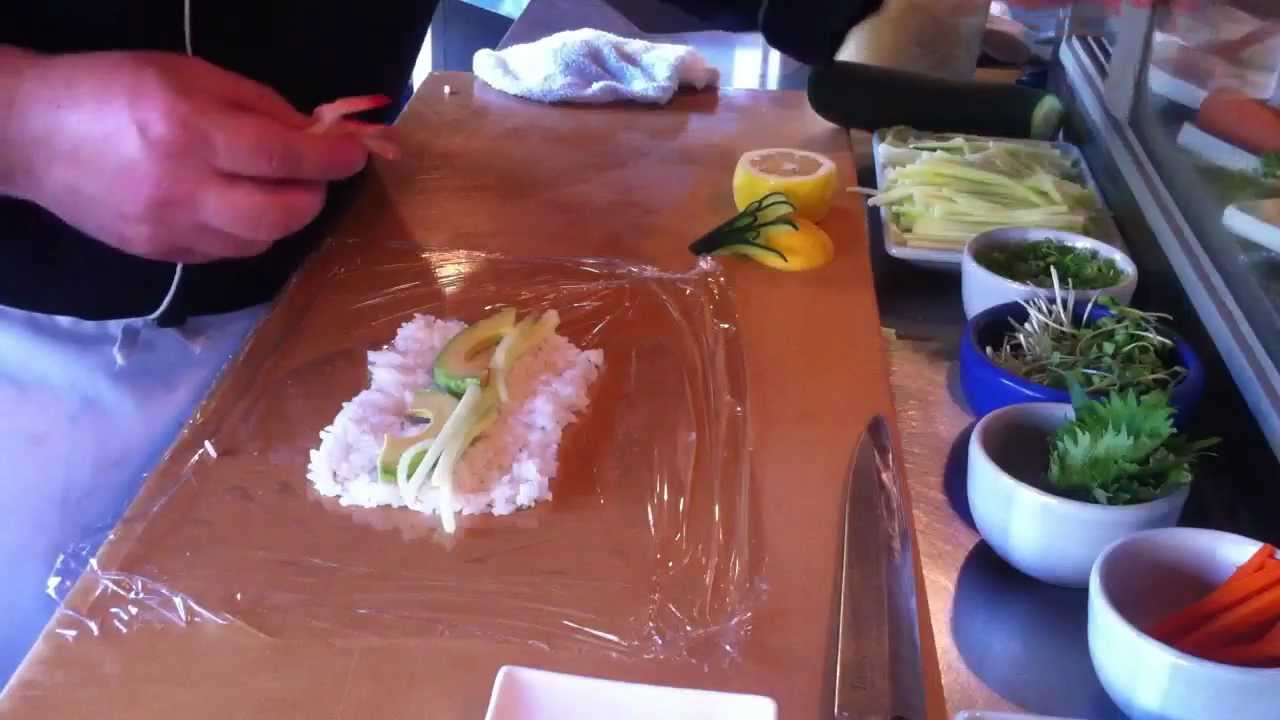
Sushi Without Seaweed Youtube

Diy Sushi Roll Kit Master The Art Of The Sushi Roll With The Help Of This Diy Kit Cooking Baking Ingredients Diy Sushi Homemade Sushi Sushi Kit
Https Encrypted Tbn0 Gstatic Com Images Q Tbn 3aand9gcs7pwzcbabv1k4vfwg9yckzoaduxdll7n9r67ubbbw4ac3jinfv Usqp Cau


You Don T Need A Bamboo Rolling Mat To Make These Avocado Sushi Balls All You Need Is Your Hands Vegetarian Sushi Recipes Vegan Appetizers

California Roll Caroline S Cooking

Recipes With A Twist Veggie Sushi Veggie Sushi Rolls Alternative Meals

Chicken Sushi Burrito Sushi Burrito Chicken Sushi Healthy Sushi

Philadelphia Roll Recipe And A Sushi Shortcut Peas And Crayons Recipe Homemade Sushi Sushi Sushi Recipes

How To Make The Simplest Diy Cauliflower Rice Sushi Ever In 2020 Cauliflower Rice Diy Sushi Cauliflower

Epic Sushi Roll With Bacon Recipe With Images Sushi Rolls

Soy Paper For Sushi Common Questions By Tony Chen Medium

Raw Sushi Nori Rolls Made With Sprouted Quinoa And Sproutsrobins Key
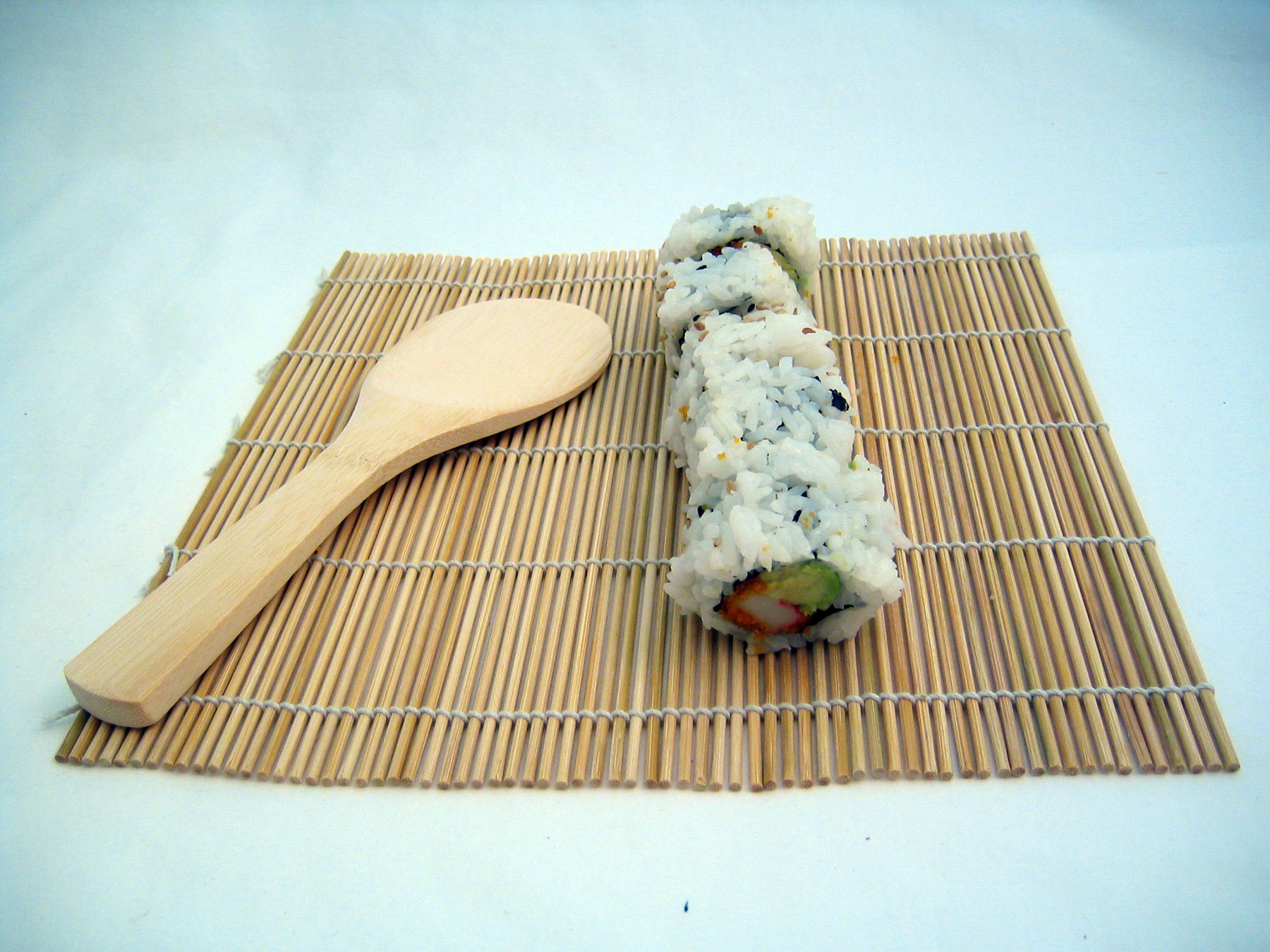
Sudare

Salmon Avocado Sushi Rolls Recipe Sushi Rolls Salmon Avocado Sushi

Ima Launches Vegan Salmon Sushi

Making Sushi Rolls For Your Holiday Party Is Easy Here S How Recipe Making Sushi Rolls Sushi Rolls Sushi Recipes Homemade

Diy Sushi Kit Diy Sushi Sushi Kit Sushi

Pre Top Chef Fantasy League Feast Easy Sushi Sushi At Home Homemade Sushi

Avocado Peanut Sushi With Peanut Maple Dipping Sauce Recept I 2020 Recept Mat Och Dryck Mat
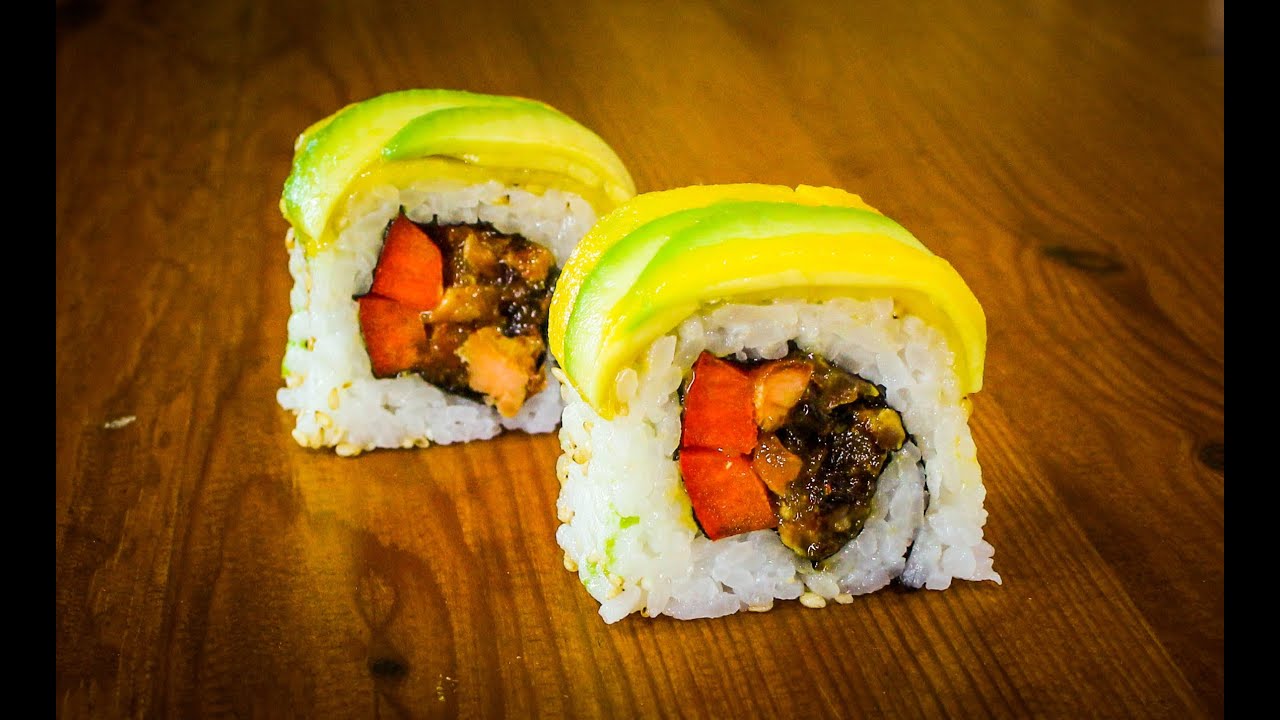
Mango Avocado Sushi Roll Recipe Make Sushi

Riceless Soy Free Sushi Domo Arigato Paleo Sushi Paleo Recipes Whole Food Recipes

California Sushi Roll Recipe

Beginner Sushi Shrimp California Roll Recipe Homemade Sushi Cooked Sushi Recipes Homemade Sushi Rolls
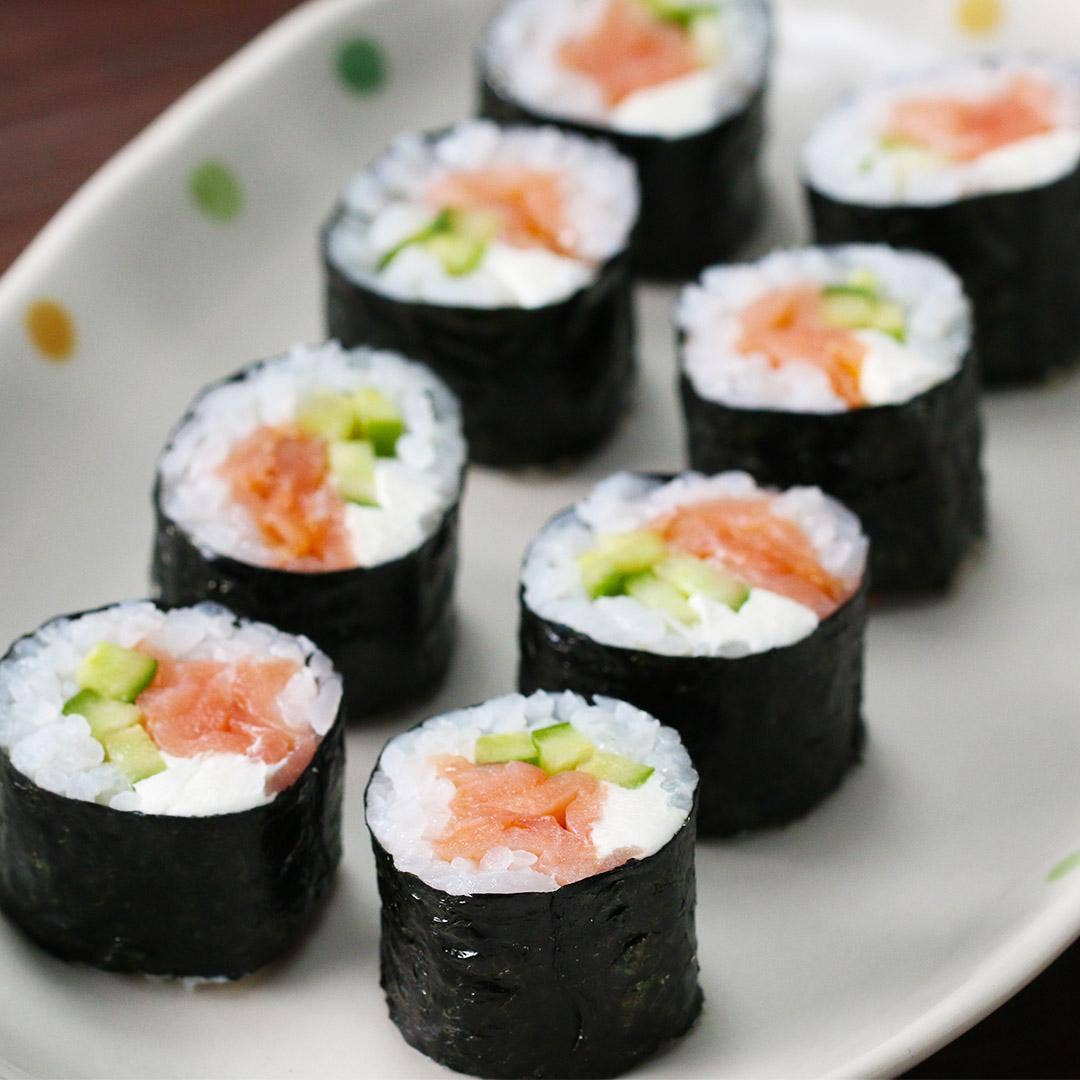
Philadelphia Roll Recipe By Tasty

Beef Tartare Sushi Livebest

Quinoa Sushi Rolls With Salmon And Vegetables Recept

